
Multicultural family with a mom dad two little boys and a teenage daughter
| | |

Between Two Worlds: The Pressure to Choose One Identity
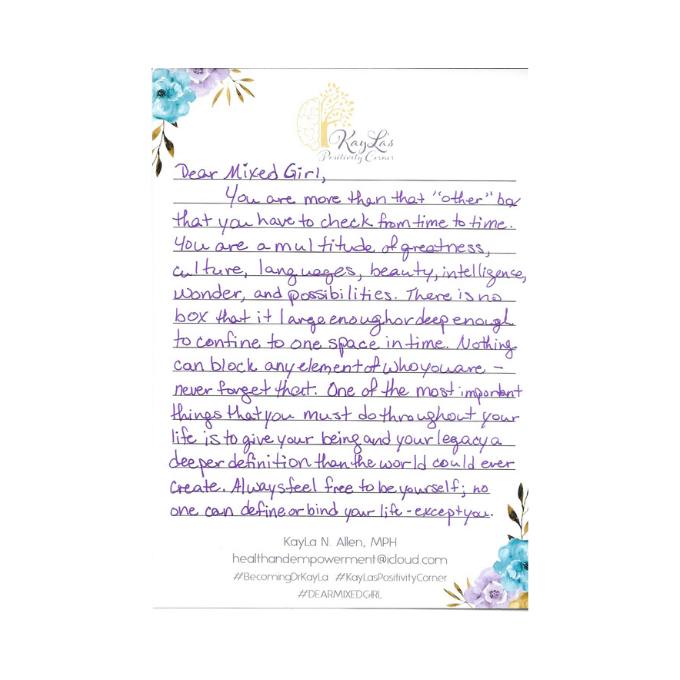
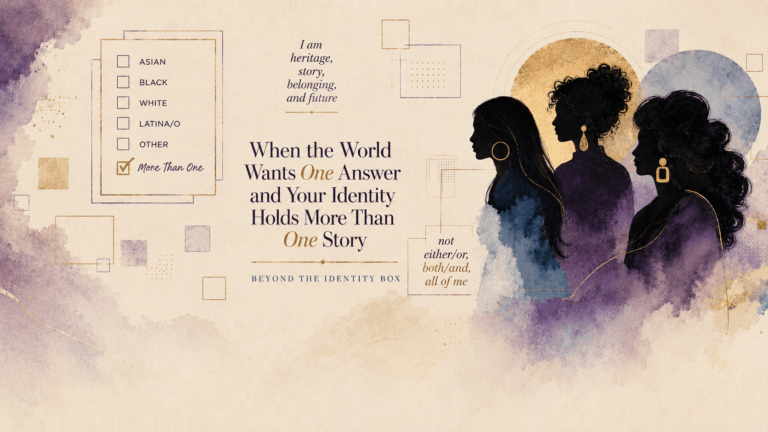
For many families, the conversations about culture and identity feel layered, emotional, and sometimes overwhelming. Mixed-heritage girls, in particular, may hear the pressure to “pick a side” long before they’ve had the chance to celebrate the beauty of living between two worlds. These moments don’t have to divide her—when guided with intention, they can become steppingstones to strength.

The Psychological Toll of the “Pick-a-Side” Mentality

Being pressured to choose one identity often creates internal conflict. While studies on infants highlight that awareness of race begins earlier than many assume, the impact of these pressures becomes especially visible in adolescence. A 2025 scoping review showed that children begin recognizing racial and cultural differences as early as infancy, shaping later identity struggles if these differences are invalidated (Eddie et al., 2025).

Adolescents who feel they must reject parts of their heritage are more vulnerable to stress, self-esteem challenges, and disconnection. Identity is not a problem to solve—it’s a journey of belonging. The “pick-a-side” message tells her she is fragmented when in truth, she is already whole. These challenges often show up most strongly in schools, where biases can amplify identity struggles—something I explore further in my blog on Colorism in the Classroom: What Every Parent Needs to Know.

Bicultural Competence: Thriving in Both Worlds

Instead of seeing two cultures as competing, researchers describe the concept of bicultural competence: the ability to navigate multiple cultural settings with confidence. Bicultural competence isn’t confusion—it’s resilience.

A 2023 study found that bicultural competence supports positive adjustment in youth of color, improving emotional regulation and social connectedness (Gusman et al., 2023). Similarly, a longitudinal study tracking Latino adolescents across the transition from high school to college found that those with stronger bicultural competence demonstrated higher self-efficacy and academic engagement (Safa, Gusman & Doane, 2022).

These studies confirm that thriving doesn’t come from choosing one world, but from learning to honor and navigate both.

Family and Community Messages Matter

Family context is one of the strongest influences on a young girl’s identity development. Research shows that ethnic-racial socialization—the ways parents teach cultural pride, prepare for bias, and share heritage traditions—directly impacts resilience.

A 2020 study highlighted that when parents intentionally balance enculturation (teaching heritage traditions) with acculturation (navigating mainstream culture), adolescents are more likely to develop strong bicultural competence (Safa, White & Knight, 2020). These findings remind us that parents are not passive observers in identity development—they are active shapers of it.

When families provide affirming, consistent messages, they help young girls integrate their full identity instead of feeling pressured to fragment themselves. 

Whole-Self Acceptance: Evidence-Based Strategies

As an Identity Development & Cultural Proficiency Expert, I encourage families to:

  • Create identity exploration practices. Encourage journaling, drawing, or identity mapping activities. Evidence shows that reflective practices support stronger cultural awareness from an early age (Eddie et al., 2025).

  • Celebrate bicultural strengths. Normalize her ability to thrive across different contexts, echoing research showing bicultural competence fosters engagement and well-being (Gusman et al., 2023; Safa et al., 2022).

  • Model affirming language. Statements like, “You don’t have to choose—you are whole,” reinforce integration rather than division.

  • Encourage multi-heritage connections. Supporting friendships and mentorship across both cultural backgrounds strengthens belonging and self-confidence (Safa, White & Knight, 2020).

These practices are not just affirmations—they are evidence-backed approaches that build resilience and mental health.

No girl should feel pressured to reject parts of who she is. Identity is not about picking one world over another—it is about living in the fullness of both.

When parents, educators, and communities provide affirming spaces, mixed-heritage girls learn that they are already whole. She doesn’t need to choose between two worlds—she carries both within her, beautifully and powerfully.

References 

Eddie, A. L., Vallotton, C. D., Brophy-Herb, H., Kim, L., et al. (2025). Mapping Research on Early Ethnic-Racial Awareness Among Children Birth to Age 3. Infancy. Open Access. https://pmc.ncbi.nlm.nih.gov/articles/PMC12333579/

Gusman, M. S., Safa, M. D., Doane, L. D., White, R. M. B., et al. (2023). Contextualizing Bicultural Competence Across Youths. Journal of Youth and Adolescence. Open Access. https://pmc.ncbi.nlm.nih.gov/articles/PMC10989737/

Safa, M. D., Gusman, M. S., & Doane, L. D. (2022). Bicultural Competence and Academic Adjustment Across Latino Youth: Adaptation from High School to College. Child Development. Free PDF. https://www.researchgate.net/publication/360901102_Bicultural_Competence_and_Academic_Adjustment_Across_Latino_Youth_Adaptation_from_High_School_to_College

Safa, M. D., White, R. M. B., & Knight, G. P. (2020). Family Contextual Influences on Bicultural Competence Development Among U.S. Mexican-Origin Youths. Developmental Psychology. Open Access. https://pmc.ncbi.nlm.nih.gov/articles/PMC8589103/

By: Dr. KayLa N. Allen-Young

Be blessed and be at peace.

Empower the Next Generation — Starting Now
Together, we can build spaces where identity is celebrated, cultural proficiency is the norm, and every voice matters.

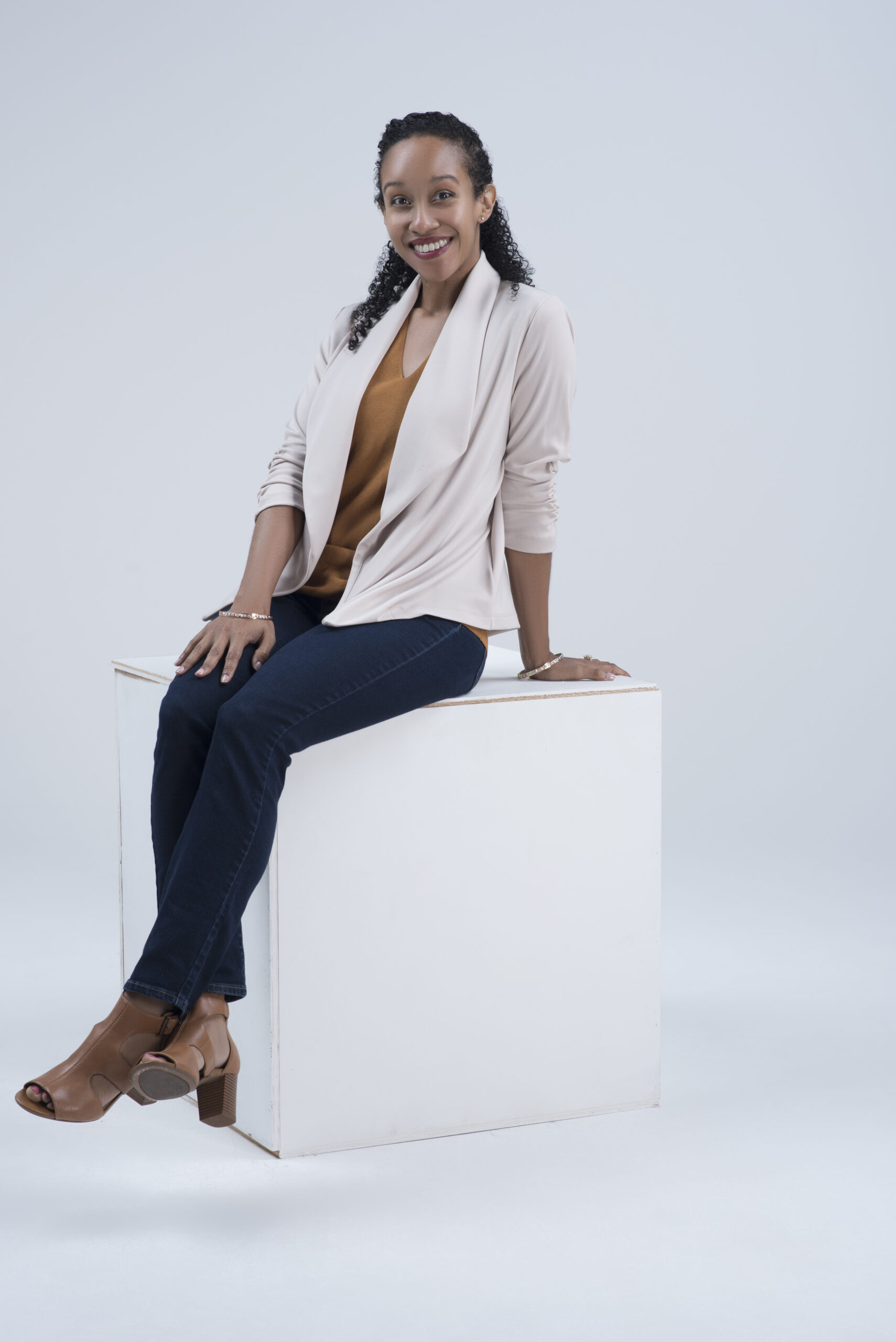
Woman with brown skin and curly hair in a cream jacket, brown blouse, dark pants, and brown heels.

About the Author

Dr. KayLa N. Allen-Young is a Certified Health and Well-Being Coach, global speaker, and founder of Dear Mixed Girl®, where she supports girls ages 12–18 and their parental figures in navigating identity, cultural complexity, and leadership. She holds a Doctorate in Health Administration, a Master of Public Health, and a Post-Master's Certificate in Epidemiology. Dr. KayLa speaks on topics including diversity, parenting, biracial identity, cultural proficiency, and identity development. Her work weaves storytelling, science, and Spirit. Learn more or work with her via DearMixedGirl.com.

Similar Posts

Leave a Reply

This site uses Akismet to reduce spam. Learn how your comment data is processed.