
Protecting Her Peace: Mixed Girls and Mental Health in Adolescence
Adolescence is often a swirl of emotion, growth, and discovery. For girls of mixed heritage, that journey carries additional complexity. They learn to navigate multiple cultural spaces while trying to make sense of who they are—and who the world tells them to be. Protecting her peace is not about shielding her from life’s challenges; it is about equipping her to move through them with confidence, identity, and calm.
The Landscape of Pressure
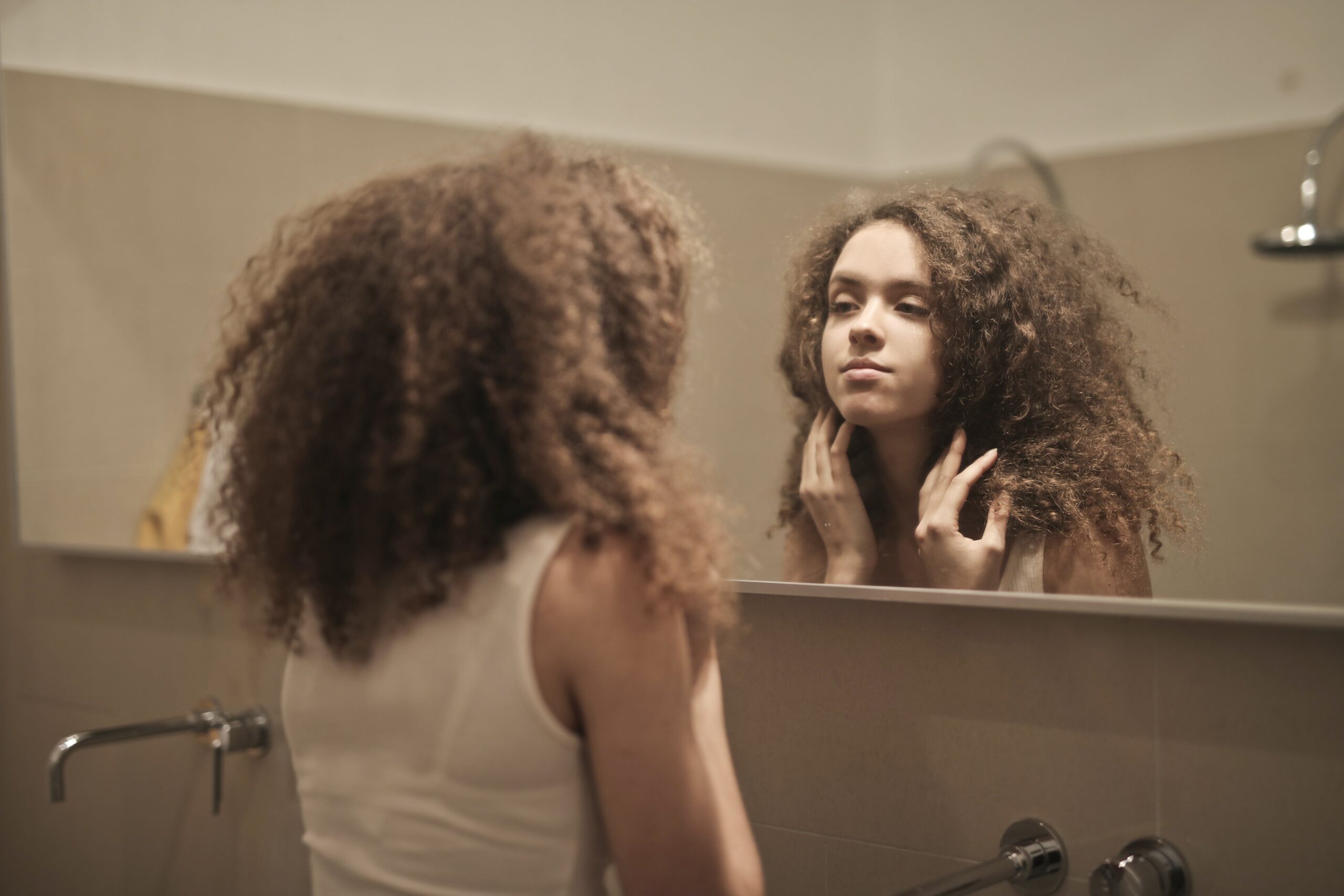
Adolescence naturally invites questions of belonging. Yet for mixed-heritage girls, those questions can cut deeper. Constantly moving between different cultural expectations may leave her uncertain of where she fits. This ongoing adjustment—known as identity shifting—often creates emotional exhaustion, anxiety, or self-criticism.
When identity feels conditional or fragmented, it can interfere with self-esteem and social connectedness. Research on bicultural competence underscores that the ability to move comfortably between cultures fosters confidence and emotional regulation. Young people who integrate their multiple cultural selves tend to adapt more positively and report stronger well-being. The path to peace begins when we normalize her wholeness and release her from the burden of choosing one side over another.
Barriers Beyond the Self
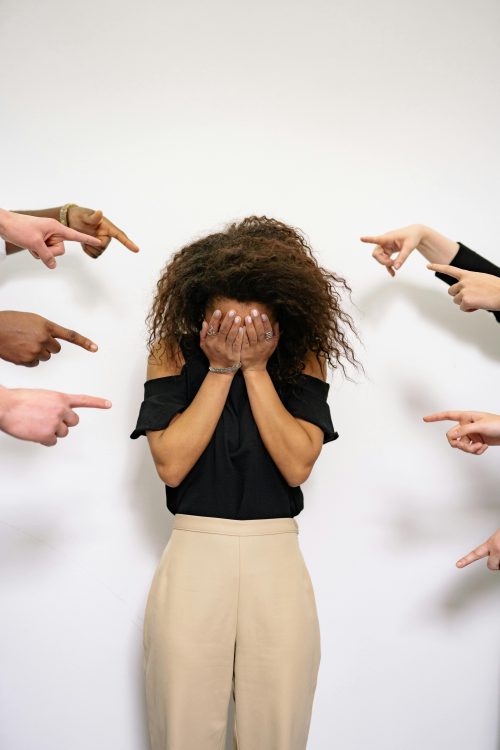
Her mental health does not develop in isolation. Factors such as community climate, peer bias, and access to mental-health resources directly shape outcomes. Adolescents who live in environments marked by discrimination or lower neighborhood privilege face higher risk for depressive symptoms and suicidal ideation. When access to culturally responsive care is limited, these risks multiply.
Many girls of color—particularly those from mixed backgrounds—are less likely to receive adequate mental-health support, even when their needs are identified. The gap is not about willingness to seek help; it is about availability, representation, and understanding. To protect her peace, systems must evolve to meet her where she is.
Signs Her Peace May Be Slipping
Pay attention to subtle shifts in her energy and engagement:
Withdrawal from friends or favorite activities
Irritability, sadness, or emotional reactivity
Fixation on “fitting in” or minimizing parts of herself
Restlessness, overthinking, or disrupted sleep
Increased self-criticism or comparison
These cues are invitations—not indictments. They signal that her identity work and emotional needs require gentler attention.
Grounded Strategies to Safeguard Her Peace
1. Create Guided Identity Rituals
Encourage reflective practices such as journaling, art, or identity mapping. When she puts language or imagery into her internal world, self-awareness grows. This process transforms identity confusion into self-definition.
2. Normalize Bicultural Integration
Affirm openly that she is not “half” of anything; she is fully herself. Share examples of leaders who embrace multifaceted identities. Speak the truth that balance—not perfection—is the goal.
3. Strengthen Family and Community Messages
Family communication is a powerful protective factor. When parents discuss heritage with pride, prepare for bias, and create spaces for cultural celebration, they reinforce belonging. These conversations strengthen her self-esteem and shape her capacity for resilience.
4. Equip Her with Stress-Buffering Tools
Grounding techniques, prayer or meditation, physical movement, and deep breathing anchor her mind and body. Mindfulness helps her pause before reacting to external pressures. Regular rest, creative outlets, and joyful expression help preserve her emotional energy.
5. Advocate for Responsive Care
When professional support is needed, seek clinicians trained in multicultural competence. Telehealth and community partnerships can bridge gaps in access. Normalizing mental-health care within your family shows that seeking help is a sign of strength, not weakness.
A Reflection for Parents and Leaders
Ask yourself:
Do I create space for her voice, even when it challenges mine?
Am I modeling rest, calm, and cultural openness?
Do I treat identity as a journey, not a performance?
Protecting her peace begins with protecting our own capacity to listen, learn, and lead with empathy. The way adults show up becomes the model she internalizes.
Closing Thought
Peace is not the absence of struggle—it is the practice of wholeness. When we affirm her identity, guide her emotional tools, and advocate for equitable care, we help her see herself as both strong and soft, powerful and peaceful.
Every mixed girl deserves the chance to grow up knowing she belongs to all of who she is.
Call to Action
Empower your school, organization, or event to foster identity-affirming environments. Invite Dr. KayLa N. Allen-Young to deliver a keynote or workshop that transforms research into actionable compassion—where cultural proficiency and mental health meet lasting impact.
References
Acker, J., Keyes, K. M., & O’Malley, P. M. (2023). Neighborhood privilege and adolescent mental health: A cross-sectional analysis. JAMA Network Open, 6(8), e2321456. https://jamanetwork.com/journals/jamanetworkopen/fullarticle/2808492
Gusman, M. S., Safa, M. D., Doane, L. D., & White, R. M. B. (2023). Contextualizing bicultural competence across youths: Developmental trajectories of behavioral and affective competence. Journal of Youth and Adolescence, 52(4), 765–782. https://pmc.ncbi.nlm.nih.gov/articles/PMC10989737/
Safa, M. D., Gusman, M. S., & Doane, L. D. (2022). Bicultural competence and academic adjustment across Latino youth: Adaptation from high school to college. Child Development, 93(3), 970–985. https://www.researchgate.net/publication/360901102
Udry, J. R., Li, R. M., & Hendrickson-Smith, J. (2003). Health and behavior risks of adolescents with mixed-race identity. American Journal of Public Health, 93(11), 1865–1870. https://pmc.ncbi.nlm.nih.gov/articles/PMC1448064/
Um, E. J. (2024). The relationship between bicultural acceptance attitude and self-esteem among multicultural adolescents: Mediating effects of parental support. International Journal of Environmental Research and Public Health, 21(9), 1175. https://www.mdpi.com/1660-4601/21/9/1175
Zhou, X., Roberts, D., & Kim, L. (2025). Racial disparities in adolescent access to mental-health care, 2019–2022: National trends and telehealth implications. Frontiers in Public Health, 13, 1559511. https://www.frontiersin.org/journals/public-health/articles/10.3389/fpubh.2025.1559511
By: Dr. KayLa N. Allen-Young
Be blessed and be at peace.

About the Author
Dr. KayLa N. Allen-Young is a Certified Health and Well-Being Coach, global speaker, and founder of Dear Mixed Girl®, where she supports girls ages 12–18 and their parental figures in navigating identity, cultural complexity, and leadership. She holds a Doctorate in Health Administration, a Master of Public Health, and a Post-Master’s Certificate in Epidemiology. Dr. KayLa speaks on topics including diversity, parenting, biracial identity, cultural proficiency, and identity development. Her work weaves storytelling, science, and Spirit. Learn more or work with her via DearMixedGirl.com.