
The Silent Struggle: Identity Confusion in Mixed Girls
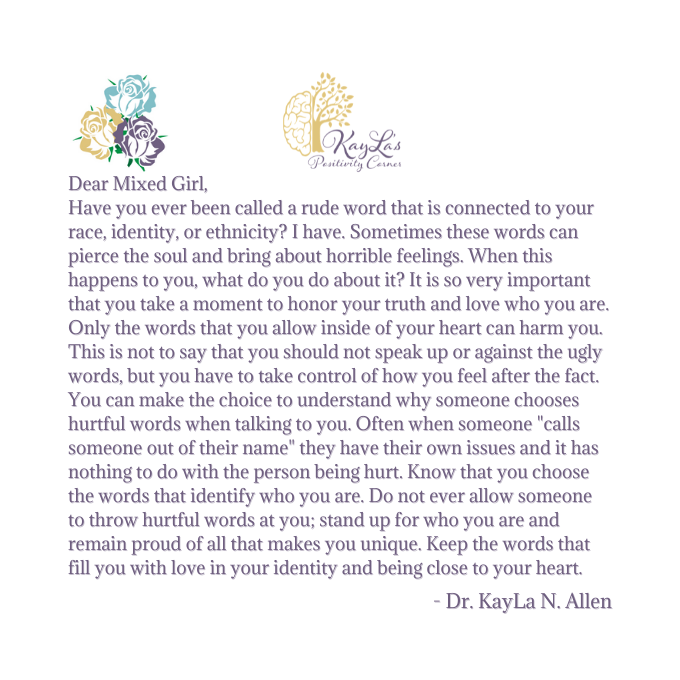
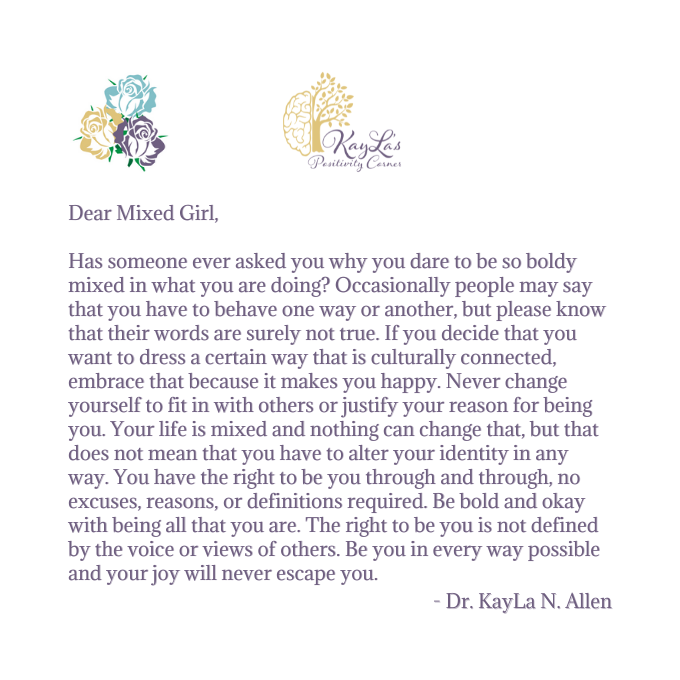
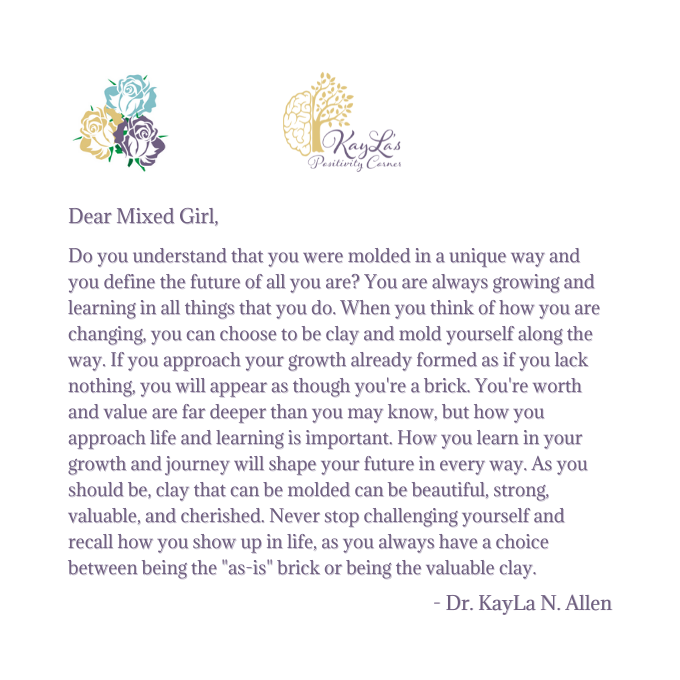
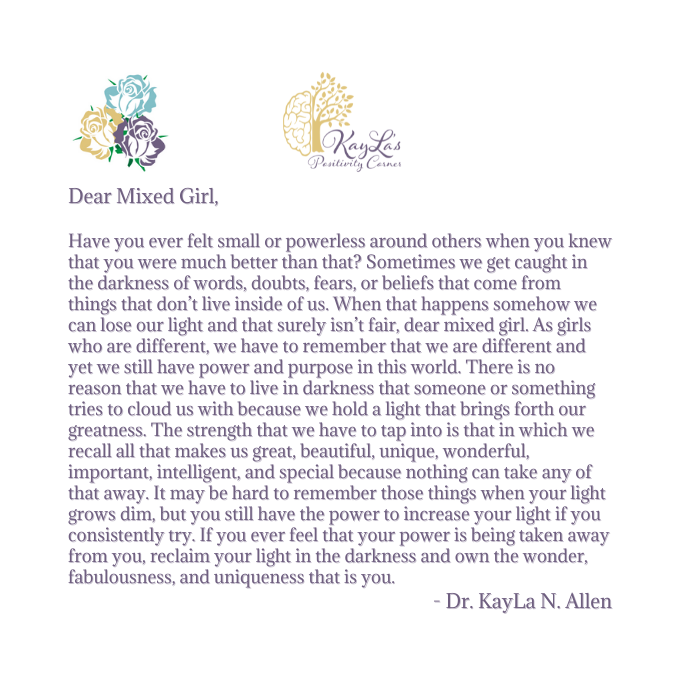
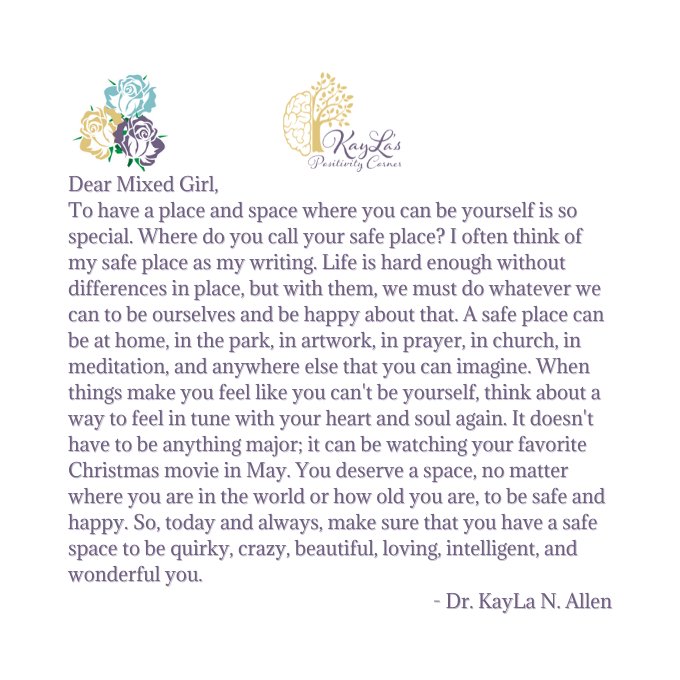
For many mixed girls, adolescence can feel like standing on a bridge between worlds—asked (explicitly or silently) to “pick a side,” while trying to form a whole, coherent self.
Recent research shows that multiracial youth face unique identity stressors and elevated mental-health risks compared to monoracial peers. This “silent struggle” is not inevitable—when parents, educators, and youth advocates use intentional strategies, it can become a journey toward confidence, clarity, and pride.
What Recent Research Says
Identity stress is real and measurable
Recent findings from the CDC’s 2023 Youth Risk Behavior Survey show that 48.8% of multiracial high school students reported experiencing racism at school, compared to just 17.3% of White students. Those who reported racism were far more likely to experience poor mental health, persistent sadness or hopelessness, and suicidal thoughts or behaviors. This highlights the urgent need for schools to adopt proactive measures against racism to safeguard student wellbeing.
School climate matters
Recent findings from the CDC’s 2023 Youth Risk Behavior Survey show that 48.8% of multiracial high school students reported experiencing racism at school, compared to just 17.3% of White students. Those who reported racism were far more likely to experience poor mental health, persistent sadness or hopelessness, and suicidal thoughts or behaviors. This highlights the urgent need for schools to adopt proactive measures against racism to safeguard student wellbeing.
Integration beats “picking one”
Research on bicultural identity integration (BII) shows that when adolescents view their cultural identities as compatible—not conflicting—they report better self-esteem and academic engagement.
Digital life shapes identity
A 2024 review concluded that social media can both help and harm identity development—what matters most is quality of online engagement, such as positive feedback and belonging in affirming communities.
Sources of Identity Confusion
Conflicting messages from family, peers, and media about “who you are” and “where you fit.”
Pressure to choose one identity over another, which can create emotional strain.
Colorism and stereotype threat in schools, affecting confidence and sense of belonging.
Racism and microaggressions, linked to worse mental health and academic disengagement.
What It Feels Like
A 14-year-old who identifies as Black and Filipina is asked, “What are you?” almost daily. In some circles, she’s “not Black enough”; in others, she’s “too American.” With guidance—through family storytelling, mixed-heritage youth groups, and positive representation—she begins to see her complexity as her superpower.
Evidence-Based Strategies to Help
Foster Bicultural Identity Integration
Reflect all of her cultures in family traditions, literature, and art.
In school, normalize both/and language (“I’m X and Y”).
Address Racism and Colorism Directly
Teach her how to name and respond to microaggressions.
Work with schools to adopt culturally responsive teaching.
Curate Affirming Representation
Use media with diverse, mixed-heritage protagonists.
Invite her to critically evaluate stereotypes.
Create “Story Spaces”
Identity journals, family history projects, or culture maps.
Storytelling fosters self-clarity and reduces confusion.
Build Support Networks
Connect her with mentors and peers who share her experiences.
Seek Professional Help When Needed
Choose culturally proficient mental health providers.
For Schools & Organizations
Audit library and classroom materials for mixed-heritage representation.
Train staff on cultural proficiency, microaggressions, and colorism.
Organize events that celebrate cultural diversity beyond tokenism.
Closing Encouragement
Your daughter’s identity is not a puzzle to solve—it’s a masterpiece to be celebrated. With the right support, what begins as confusion can transform into confidence, leadership, and joy.
Sources/References (in order of use in this article):
Cheng, T. C., & Lee, R. M. (2024). Mental health outcomes among multiracial individuals: A systematic review. Journal of Affective Disorders, 351, 321–333. https://doi.org/10.1016/j.jad.2024.01.115
McKinnon II, Krause KH, Suarez NA, et al. (2024). Experiences of racism in school and associations with mental health, suicide risk, and substance use among high school students — United States, Youth Risk Behavior Survey, 2023. MMWR Supplements, 73(4), 22–28. https://www.cdc.gov/mmwr/volumes/73/su/su7304a4.htm
Huynh, Q.-L., & Benet-Martínez, V. (2024). Bicultural identity integration and adolescent adjustment: A meta-analytic review. International Journal of Behavioral Development, 48(3), 210–225. https://doi.org/10.1177/01650254231123456
Hunter, M. L., & Brunson, R. K. (2022). The impact of colorism in U.S. schools: A scoping review. Social Sciences, 11(8), 356. https://doi.org/10.3390/socsci11080356
Manago, A. M., & McLean, K. C. (2024). Social media and adolescent identity development: A systematic review. Adolescent Research Review, 9(1), 25–49. https://doi.org/10.1007/s40894-023-00211-8
Be blessed and be at peace.
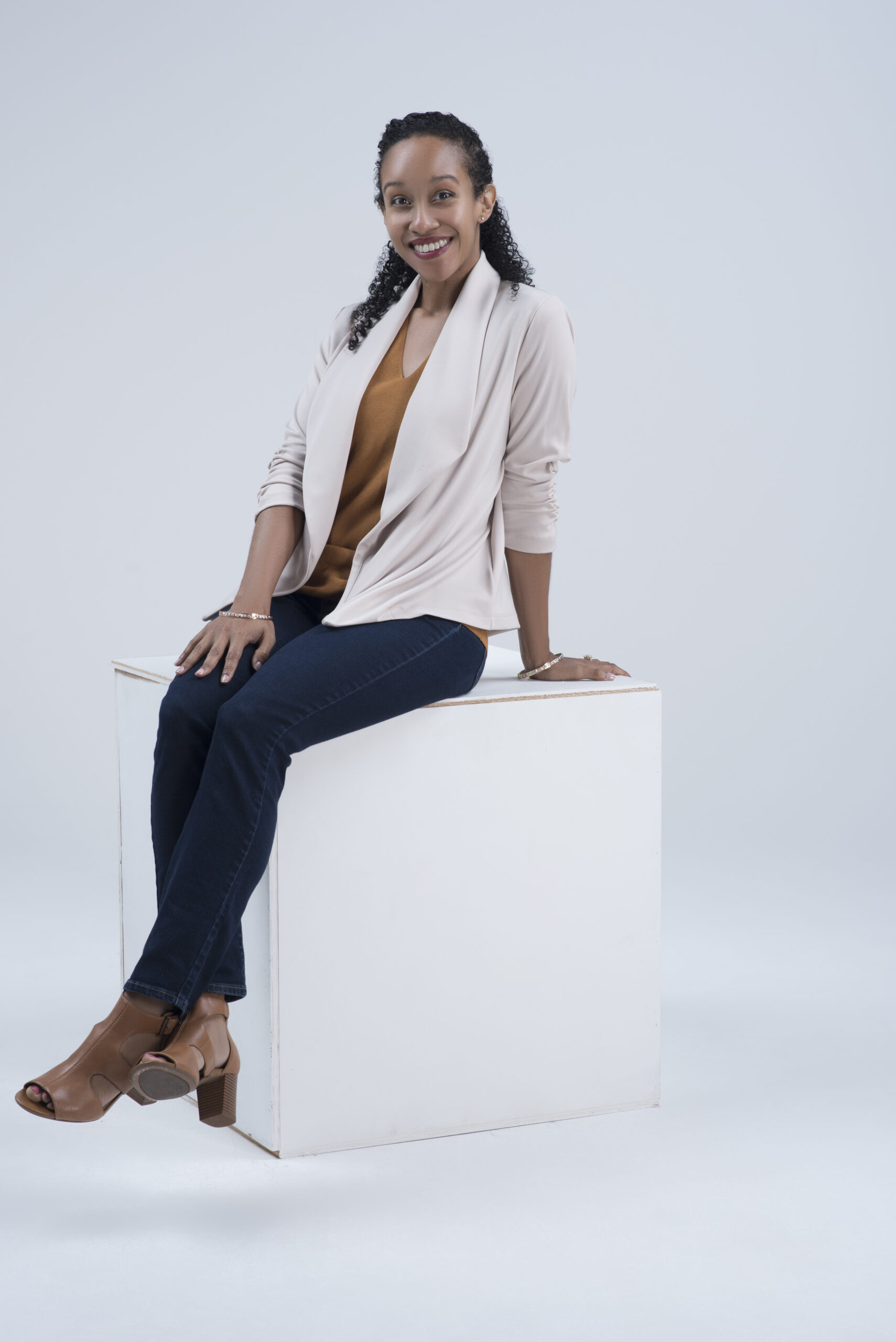
—Dr. KayLa N. Allen-Young
Founder, Dear Mixed Girl®

About the Author
Dr. KayLa N. Allen-Young is a Certified Health and Well-Being Coach, global speaker, and founder of Dear Mixed Girl®, where she supports girls ages 12–18 and their parental figures in navigating identity, cultural complexity, and leadership. She holds a Doctorate in Health Administration, a Master of Public Health, and post-master’s training in epidemiology. Dr. KayLa speaks on topics including diversity, parenting, biracial identity, cultural proficiency, and identity development. Her work weaves storytelling, science, and Spirit. Learn more or work with her at DearMixedGirl.com.